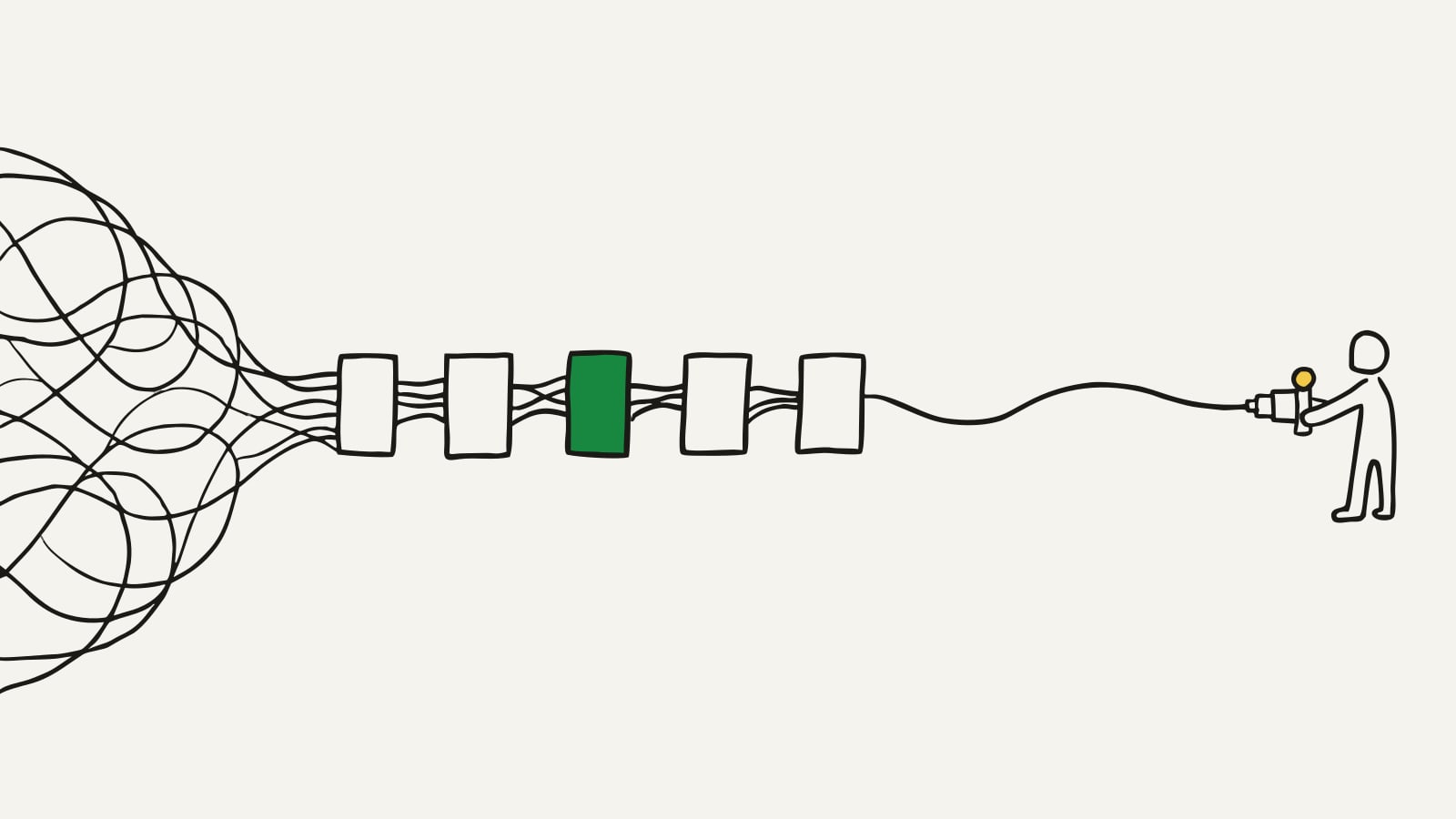
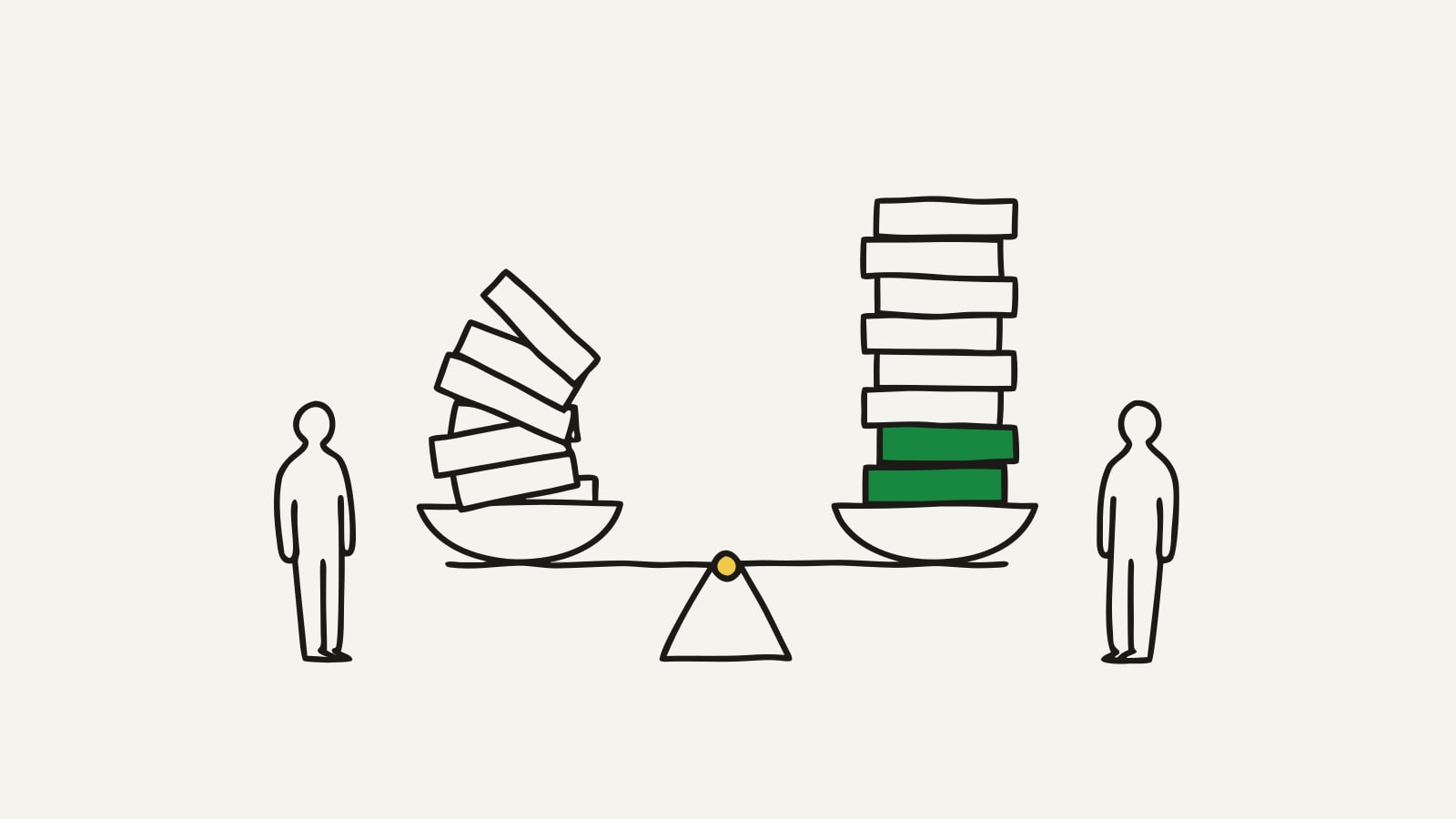
To get an app development quote you can trust, do one thing before you contact anyone: write your idea down as a list of modules, and send every developer the same list. Quotes priced against the same document are quotes you can compare. Quotes priced against a paragraph are guesses wearing a total.
Most founders run it the other way round. They email three developers a description, get back three numbers that disagree by a factor of ten, and try to work out which developer is lying. None of them are. Each one priced a different imaginary app, which is why app development quotes vary so much.
This guide walks through what a real quote should include, how to request one, whether iOS, Android, web or Windows changes the number, and what the word quotation is quietly telling you when an agency uses it.
What should an app development quote include?
A trustworthy quote is a document, not a number. Before you compare totals, check that every quote on your desk has six things.
An itemized breakdown. The work split into modules, accounts, bookings, payments, admin, each with its own price. A lump sum is unaccountable. You can't question a lump.
Assumptions, in writing. How many user roles the developer assumed. Which platforms. How custom the design is. The assumptions are the quote, so they belong on paper, not in someone's head.
Exclusions. Every quote leaves things out. Honest quotes name them. Silent quotes bill them later as change requests, at an hourly rate, once switching developers would hurt.
Phases. What ships in version one and what waits. A quote that prices your whole dream as one block is either padding the total or planning a death march.
Payment terms. When money moves and what triggers it. Milestones tied to working software beat dates on a calendar.
Ownership. The code, the accounts, the keys, in your name. This line costs nothing to include and everything to discover missing.
If a quote has the six, the total at the bottom means something. If it doesn't, the total is an opening bid in a negotiation you didn't know you'd entered.
How do you get an app development quote?
The process is four steps, and the first one happens before any developer hears from you.
Step one: write the scope down. Not technology, behaviour. Customers can book a slot and pay. Staff see their own day. The owner can refund. Structure helps here, and a plain app requirements document gets you most of the way in an afternoon.
Step two: turn it into lines. Group the behaviour into modules, mark what's version one and what's later. This is the document every developer prices. One page is enough for most first versions.
Step three: send the identical document to two or three developers. Ask each to price it line by line, with assumptions and exclusions written next to the lines. Anyone who refuses and insists on a single number has told you something useful early, for free.
Step four: compare rows, not totals. When one developer prices payments at triple the others, that's a conversation worth having. Maybe they saw something the others missed. Maybe they pad. Either way, you can now ask a precise question instead of a nervous one.
There's a fifth step most founders skip: decide how you want to pay before you decide who to pay. With an itemized scope on the table, fixed price vs hourly software development becomes a genuine choice, and the right answer depends on how settled your scope really is.
The quality of your quotes is set before the first developer replies. It is set by the document you send.
Does the platform change the quote? iOS, Android, web and Windows
Less than most people expect for one platform, and more than most people expect for two. Here's how the platform choice typically moves a mobile app development quote, using the same project as the baseline.
| Platform | What you're buying | Effect on the quote |
|---|---|---|
| Web application | One build that runs on every phone, tablet and laptop | The baseline, and usually the cheapest route |
| iOS (iPhone and iPad) | One native app, App Store review, Apple's rules | Similar to web, plus store and review overhead |
| Android | One native app, Play Store review, more devices to test | Close to the iOS number for the same scope |
| iOS and Android together | Two native builds, or one cross-platform build | The big jump, often 50 to 80 percent over one platform |
| Windows desktop | A niche build for internal or industry tools | Priced like a web app, but fewer developers offer it |
| Enterprise | Any of the above plus security reviews, integrations, compliance | A multiplier on everything, covered below |
Two things follow from the table. First, an iOS app development quote and an Android app development quote for the same scope should land close together. If they don't, the difference is the developer, not the platform, so ask what they assumed.
Second, the expensive decision isn't which platform. It's how many. Two native apps mean two builds to design, test, review and maintain, and the quote reflects that forever, not just once. Plenty of first versions launch as a web application, prove the idea, and add native apps when real users ask for them.
Get the itemized plan developers price against
Describe your idea in plain English and get a free build plan, modules, phases and an estimated total, ready to send to every developer on your list.
Get your build planQuote, quotation or estimate: which one are you holding?
Agencies say app development quotation, freelancers say quote, and both mean the same document. The word that changes your risk is estimate.
A quote, against a written scope, is a commitment. The developer is saying: this list, this price, these exclusions. An estimate is a forecast. It can move, and it usually moves upward, because estimates get revised when the fog clears and the fog only ever hides extra work.
Neither is wrong. Estimates are honest when the scope is genuinely unknown, and a developer who refuses to fix a price against a vague paragraph is being straight with you. The trap is holding an estimate while believing you hold a quote.
So ask the boring question out loud: is this number fixed against the written scope, or is it an estimate? Then get the answer in the document. One sentence now saves one shouting match later.
What makes an enterprise app development quote different?
Scale, mostly, but not the scale people picture. The code for an enterprise app isn't wildly different. What multiplies the quote is everything around the code.
Security and compliance. Single sign-on, audit logs, data residency, penetration testing. Each is real work, and each appears as its own line in a serious quote.
Integrations. Enterprise software talks to existing systems, HR tools, ERPs, internal databases. Every connection is a mini-project with its own unknowns, and old internal systems are where timelines go to hide.
Stakeholders. More people who can say no. Reviews, sign-offs and procurement rounds don't show up as features, but developers price the meetings all the same.
If you're quoting an internal tool for a company rather than a consumer product, say so up front. It changes what a good developer asks you, and it changes which developers should be on your list at all.
The mistakes that make quotes worthless
Four habits reliably turn quote-collecting into a lottery.
Sending each developer a different description. The idea drifts a little with every retelling, so every quote prices a different app. Send the same written scope to everyone, word for word.
Collecting five quotes when three will do. More quotes from a vague brief just means more scatter. Three quotes against one itemized plan beat ten against a paragraph, every time.
Negotiating the total instead of the lines. Ask "can you do it for less?" and the discount comes out of testing or the admin area, quietly. Cut scope on purpose, by moving lines to a later phase, not by squeezing a number until something you can't see gives way.
Treating the lowest quote as the winner. The lowest number is usually an honest price for the smallest imagined project. Read the exclusions before you celebrate. The cheapest way to buy a small slice of your app is often the most expensive way to buy all of it.
The pattern behind all four is the same: the totals get the attention and the documents get skimmed. Flip that. Read documents, compare rows, and the right developer becomes obvious.
Walk in with the number already framed
You don't have to open a conversation with "what would this cost?" and hope. You can open with a plan.
Get a free itemized build plan: your idea broken into modules, grouped into phases, each part explained in plain English with an estimated total. Send it to every developer you're considering and ask them to price the same lines.
The quotes that come back will be answers to one question instead of ten. That's the whole trick. An app development quote is only as good as the document it prices, and now you're the one holding the document.
Common questions
How do I get an app development quote?
Write your idea down as an itemized list of modules, then send the same document to two or three developers and ask each one to price it line by line with their assumptions in writing. Quotes produced this way are comparable, because everyone priced the same project. Quotes produced from a loose description are guesses, and the totals will disagree wildly.
What should an app development quote include?
A line-by-line breakdown of modules with a price against each, the assumptions behind the numbers, a written list of exclusions, phases showing what ships first and what waits, payment terms, and who owns the code. A single total with none of that behind it isn't a quote, it's an opening bid.
Is an app development quote free?
Usually, yes. Most freelancers and agencies quote for free because quoting is how they win work. Some agencies charge for a deeper discovery phase on large or unusual projects, which can be fair, but you should never pay just to receive a number.
Is an iOS app development quote different from an Android quote?
For a single platform the numbers usually land close together, because the work is similar. The jump comes from choosing both at once, since two native apps mean two builds to design, test and maintain. A web application is often cheaper than either, because one build runs everywhere.
What is the difference between a quote and a quotation in app development?
Nothing meaningful. Quote and quotation are the same document wearing different clothes. The word to watch is estimate, which is a non-binding guess. Ask whether the number is fixed against a written scope or an estimate that can move, and get the answer in writing.
Get a build plan for your idea
Describe what you want to build and get a clear, itemized plan in a couple of minutes.
Get your build plan